Milestones of Water Supply in 2011 - 2021
2011
Completion of Phase I Expansion Works of Tai Po Water Treatment Works
The expansion of Tai Po Water Treatment Works (WTW) project represents Water Supplies Department's vision to enhance the reliability and flexibility of the water supply and distribution system. The Phase One expansion works was completed in 2011 and has boosted the output capacity of the Tai Po WTW from 250,000 m3 to 400,000 m3 of water per day.
The Phase Two expansion works was commenced in 2013 and completed by end 2018, which has doubled its daily treatment capacity to 800,000 m3 per day. The fresh water supply zone of Tai Po WTW covers Tai Po, West and Central Kowloon and the Central and Western districts of the Hong Kong Island.
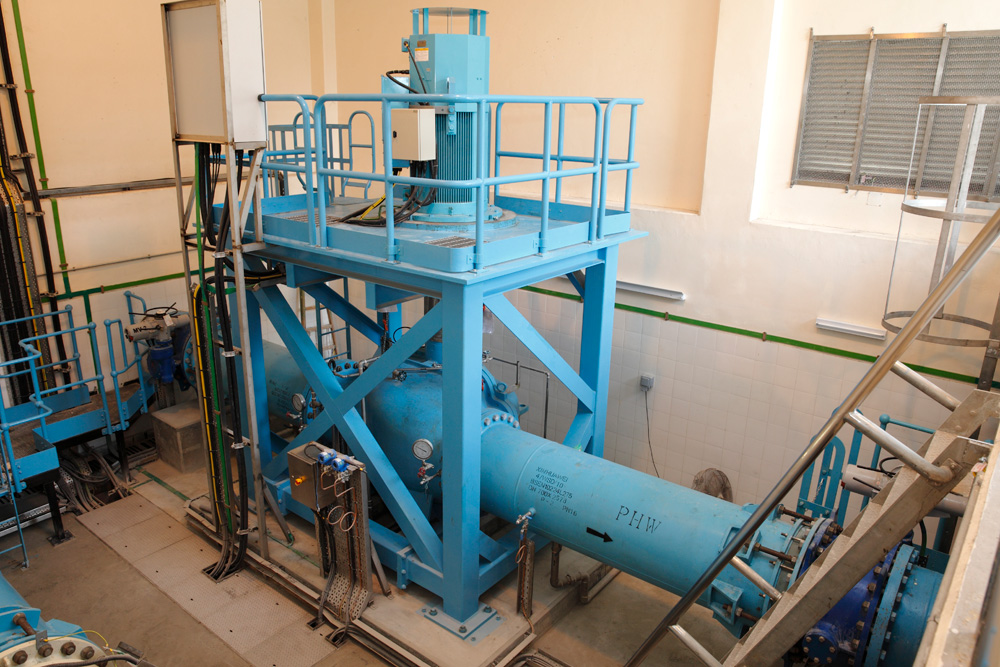
Hydropower plant of Tuen Mun Water Treatment Works
2013
Completion of First Phase of Tuen Mun Hydropower Project
The hydropower plant at Tuen Mun Water Treatment Works (WTW), with a 500-kW generating capacity, is the first of its kind in Hong Kong and is a global pioneer in the provision of hydropower facilities at a WTW.
The hydropower project in Tuen Mun is carried out in two phases. The first phase and the second phase of the works have been completed successfully in May 2013 and February 2017 respectively. It is grid-connected to the high voltage electricity supply network of the power company to supplement part of the electricity use in the water treatment works. Apart from saving electricity cost, it also slashes almost 2,000 tonnes of carbon dioxide emissions from burning fossil fuels.
Following the commissioning of Hong Kong’s first hydropower plant at Tuen Mun WTW, construction of a second hydropower plant at Sha Tin WTW was completed at the end of 2019. The design for the hydropower plant at Ma On Shan WTW was also completed, with the plant targeted to complete in 2024.
2015
50th Anniversary of Dongjiang Water Supply to Hong Kong
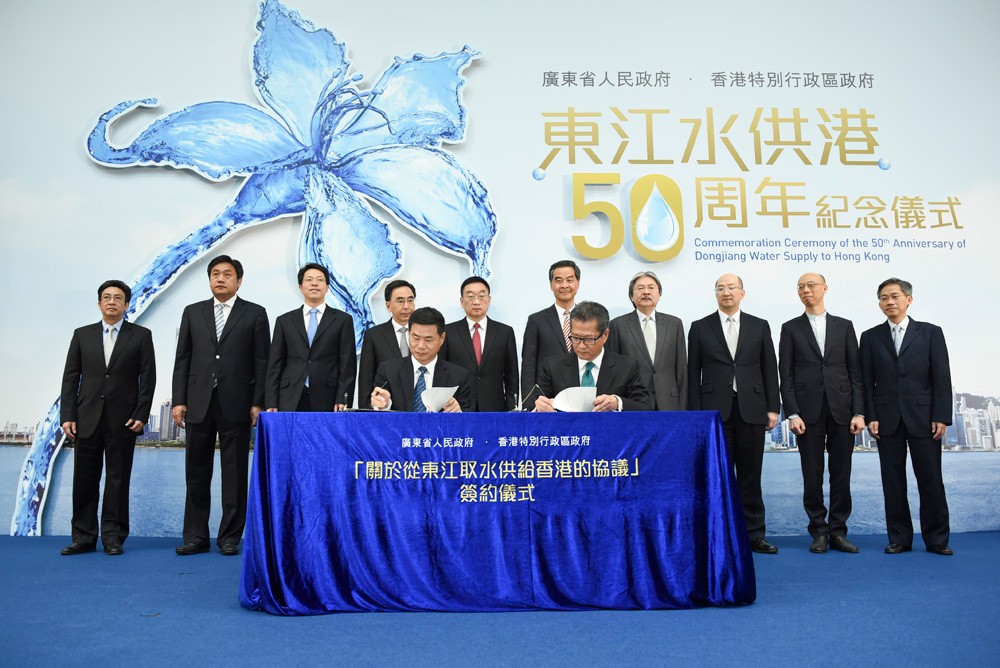
Year 2015 marks the 50th anniversary of the Dongjiang water supply to Hong Kong. The Governments of the Hong Kong Special Administrative Region and Guangdong Province launched a commemoration ceremony at the Central Government Offices on 28 May 2015. The Dongjiang Water Supply Agreement for the period from 2015 to 2017 was also signed by both governments at the ceremony.
2017
Pilot Floating Photovoltaic (PV) Systems
In order to explore the potential of installing Floating Photovoltaic systems on reservoirs, it started off by implementing two small-scale pilot projects at Shek Pik Reservoir and Plover Cove Reservoir, each of which will be designed for a generation capacity of 100kW. They have been put into operation since February 2017 and October 2017 respectively. The system installed at Shek Pik Reservoir supplies electricity to the nearby pumping station of the reservoir, while the one at Plover Cove Reservoir supplies electricity to the nearby air compressor house of the reservoir. Each of the system can generate as much as 120,000 units (kilowatt-hours) of electricity annually. The amount of electricity generated is equivalent to the annual electricity consumption of 36 average households with a reduction of 84 tonnes of CO2 emission.
Following the success of pilot projects at Shek Pik and Plover Cove reservoirs, WSD is determining how to implement a 100kW capacity floating photovoltaic system at Tai Lam Chung Reservoir in a bid to explore more applications of renewable energy sources.
Cover of Total Water Management Strategy 2019
2019
Completion of the Review on Total Water Management Strategy
To safeguard the sustainability of water supplies taking account of the contemporary challenges and the developments on various fronts, a review on the Total Water Management Strategy has been updated in 2019. For details, please visit Total Water Management Strategy.
2021
Unmanned Surface Vessel (USV) System for Water Quality Monitoring and Sampling at Impounding Reservoirs
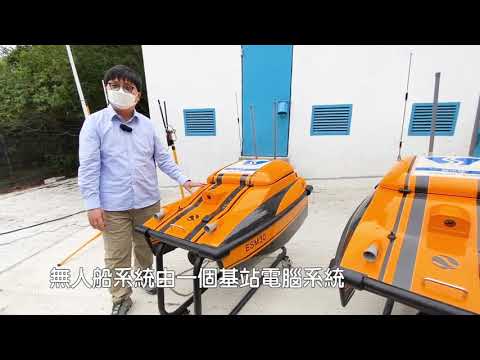
Water Supplies Department (WSD) has introduced a new Unmanned Surface Vessel (USV) system to perform automatic water quality monitoring and sampling in impounding reservoirs, boosting efficiency through adoption of innovation and technology.
The USV system consists of a base station computer and four electric USVs, which mainly conducts water quality monitoring in the Plover Cove Reservoir - Hong Kong’s impounding reservoir with largest surface area - to keep track of water quality and facilitate immediate action in case of emergency. The USV has a built-in Global Positioning System and an automatic water quality monitoring system. The USV will perform water sampling and real-time water quality monitoring according to a preset route. The built-in obstacle avoidance functions can navigate the USV around obstacles encountered on water surface and ensure that the monitoring mission can be completed smoothly. The system would automatically generate graphical water quality distribution map for water quality analysis after completion of monitoring mission.
WSD plans to use USVs at other impounding reservoirs, such as the High Island Reservoir, to monitor water quality and collect water samples. The department will continue to attempt the upgrading of the intelligence of the system, so that it can work in response to real-time water quality data automatically.
2021
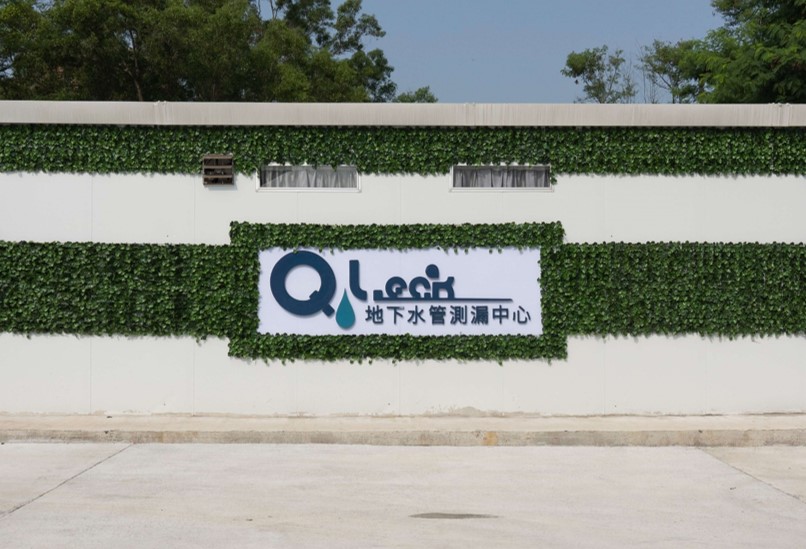
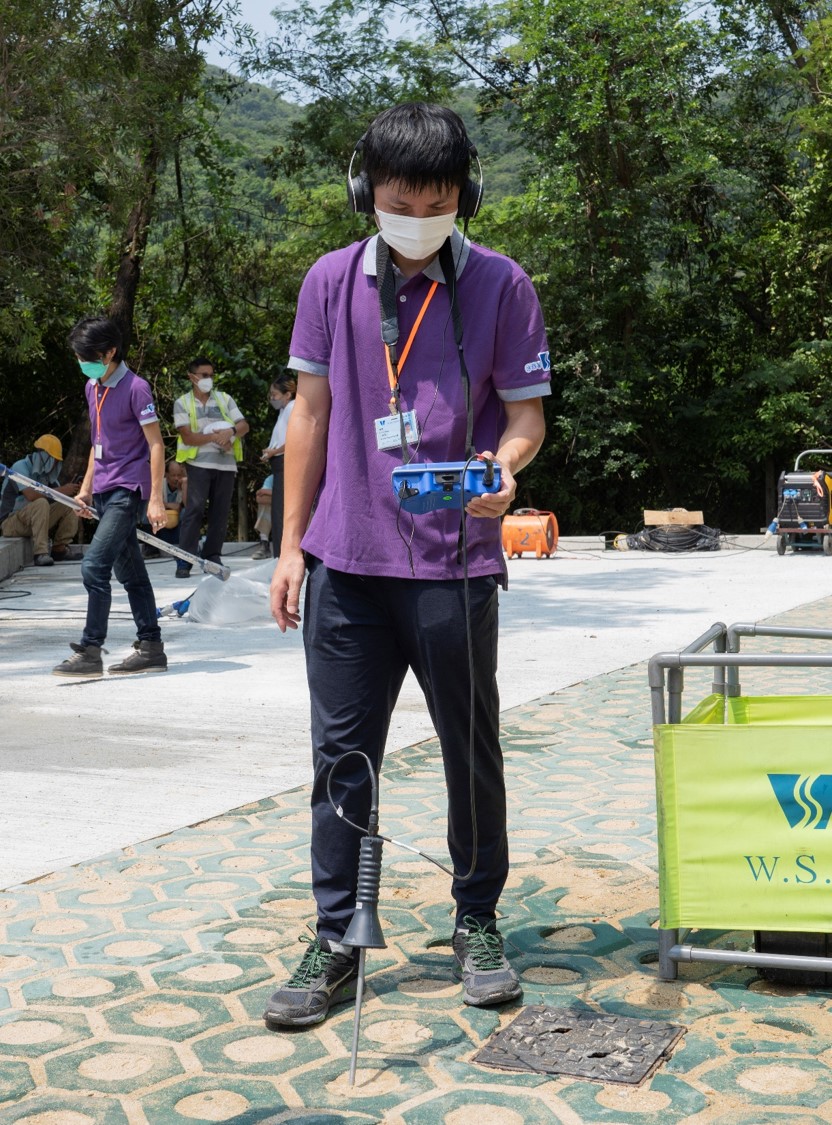
“Q-Leak” Underground Water Mains Leak Detection Training Centre Opens
WSD has always been committed to stepping up measures to prevent water leakages from both public and private water mains in a bid to reduce water loss. WSD constructed “Q-Leak”, a new underground water mains leak detection training centre at the site of Tsing Yi North Low Level Fresh Water and Salt Water Service Reservoirs. It serves to facilitate relevant training for more leak detection practitioners, aiming to enhance the effectiveness of leak detection, as well as to enable the implementation of risk-based improvement works for water mains.
The centre covers about 2,400 square metres with facilities simulating the complicated water supply network of Hong Kong and underground water main leakage under various conditions and scenarios, including different pipe sizes and materials, as well as various water flow patterns. The centre provides a safe environment for leak detection practitioners to conduct training and skills assessments on various leak detection technologies in simulated District Metering Areas.